Climate change and reproductive health are inextricably linked.

Between 2010 and 2020, climate-related displacement disrupted contraceptive access for more than 11.5 million people, extreme heat increased the individual risk of miscarriage by roughly 10%, and economic instability from the loss of land and livestock led to increases in gender-based violence—in some cases, this even resulted in the sale of young daughters as brides to recover lost income.
In the same way that climate change can impact reproductive health, reproductive health can impact the climate. When women and girls have access to reproductive healthcare, they are healthier, have more agency over their futures, and have greater access to resources like education and income. As a result, they are more resilient to climate shocks and better positioned to lead community-level climate action.
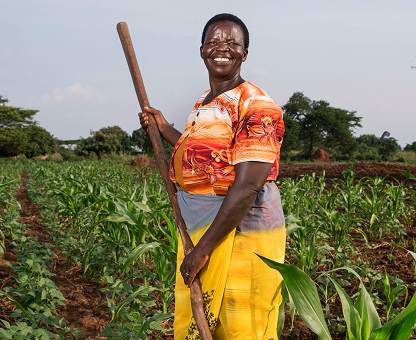
Women and girls are among the first and worst impacted by climate change. In the Global South, many women depend on the land for survival: They farm the majority of land, fetch the majority of water and fuel, and are the caretakers of seeds and livestock. Because of this, they are the land’s staunchest defenders. They are integral climate policy advocates and conservationists, leading efforts to shut down fossil fuel industries, implement community-led renewables, mandate more sustainable agricultural practices, and build political support for climate mitigation and adaptation policies.
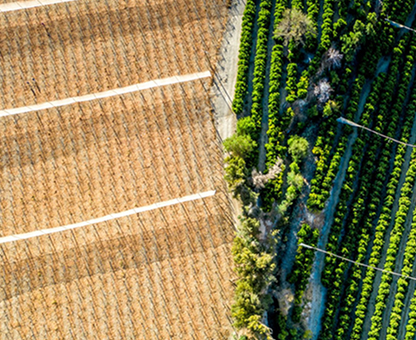
And while these efforts are local, at scale, their impact can take on global proportions. CLIMA Fund—a leading regranter to grassroots climate movements—estimates that implementing more sustainable agricultural practices, such as eliminating synthetic fertilizers and increasing local food consumption, could avert 24% to 30% of global emissions. This is roughly equivalent to the annual emissions of the entire country of China. Meanwhile, directly resisting fossil fuel extraction and strengthening Indigenous peoples’ tenure over the lands and forests they manage can ensure protection of 200 gigatons of carbon stored in standing forests and prevent 850 gigatons of carbon dioxide from entering the atmosphere.
Women-driven, community-led solutions have significant potential to protect the environment and help communities build climate resilience. Despite this, women and girls are often excluded from climate decision-making spaces because of gender inequities, household responsibilities, and longstanding barriers in access to health, education, and leadership opportunities.
Investing in reproductive healthcare is therefore not only a matter of equity—it’s also a highly underleveraged climate-resilience strategy. When women and girls have access to reproductive healthcare, they have more agency over their futures and, in turn, are better positioned to lead climate action.
24% to 30%
Local women-led climate efforts, such as promoting sustainable agricultural practices, could help avert 24% to 30% of global emissions—roughly equivalent to the annual emissions of the entire country of China.