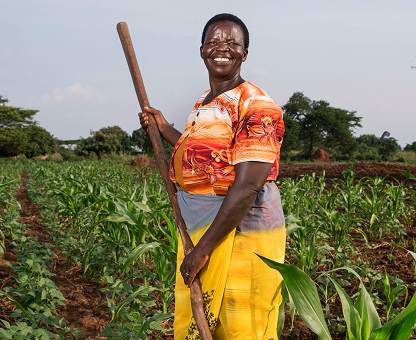
Unintended pregnancies can disrupt and derail young people’s education.

For millions of young people around the world, a positive pregnancy test is more than a life-changing moment—it’s the moment a classroom door quietly closes. Education is one of the most powerful engines of social and economic progress. And though the benefits of education are far-reaching and well-documented, more than 258 million young people have never seen the inside of a classroom. Through rates vary by country, between half and three-quarters of youth pregnancies result in girls dropping out, leading to cycles of intergenerational poverty, poor health, and stunted economic growth.
Reproductive health and education reinforce one another, creating a powerful virtuous cycle. Access to contraception helps young people avoid the unintended pregnancies that force them out of school. Meanwhile, education about reproductive health strengthens their ability to make informed choices. In fact, comprehensive sexual education has been shown to raise contraceptive use by more than 150%. Educated young people are more likely to marry later, have fewer children, and be less vulnerable to sexual abuse, violence, and STIs.
When young people avoid unintended pregnancies and stay in school, what follows is individual prosperity and economic growth and improved health for themselves and their children.
Individual prosperity and economic growth
The World Bank estimates that each additional year of education increases potential earnings by 15% to 25%. This has benefits for both individual prosperity and national economic growth. McKinsey estimates that achieving gender parity in education could help add up to $12 trillion to global GDP by 2030, with lower- and middle-income countries growing by 15% in the first year alone.
Improved health for themselves and their children
Educated people tend to make healthier choices for themselves and their children. Data from the World Health Organization shows that educated parents are more likely to access prenatal and postnatal care, vaccinate their children, and adopt more hygienic practices overall. Increased education has been linked to a 40% reduction in child stunting, a 25% increase in immunization coverage, and a 30% reduction in infant mortality.
+50%
Between half AND three-quarters of youth pregnancies result in young girls dropping out, leading to cycles of intergenerational poverty, poor health, and stunted economic growth.
$12 trillion
Curbing unintended pregnancies and achieving gender parity in education could help add up to $12 trillion to global GDP by 2030.